

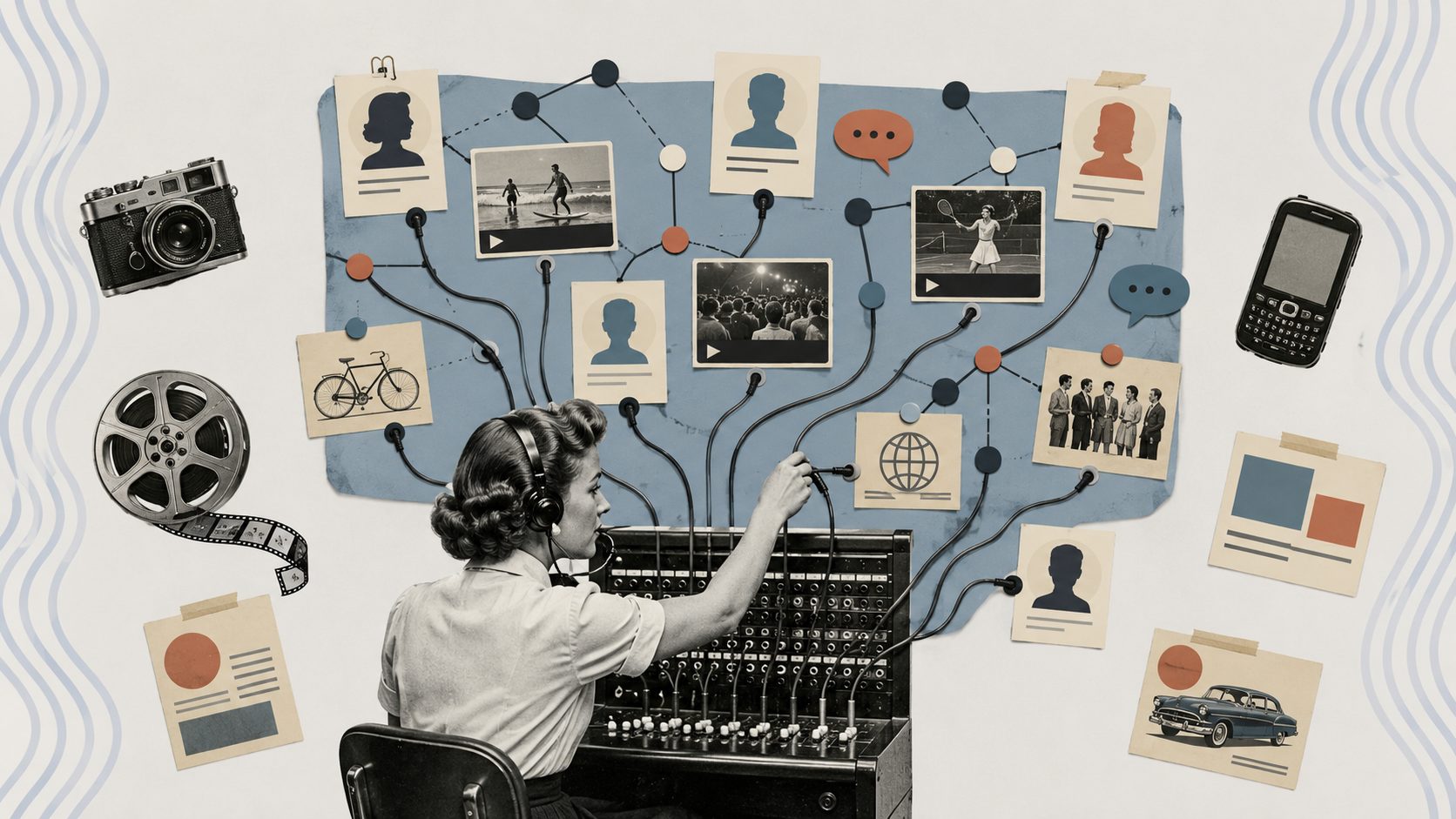
The way businesses communicate with their audiences has shifted from a static, singular approach to a dynamic, multi-layered experience that develops over time. Where companies once relied on broad, sweeping efforts to reach a general audience, they now have the ability to layer digital precision over traditional reach. Recognizing how these two worlds interact is the first step in moving from a strategy of broad awareness toward one of informed, data-driven engagement.
Early Stages: Establishing Foundation Through Broad Reach
Before a business can effectively leverage precise digital tools, it typically relies on the foundational influence of traditional media. These formats function as the broad megaphone for a brand, ensuring that a presence is felt across a wide demographic. Whether through broadcast spots, print placements, or outdoor visibility, these channels are often the starting point for building a general sense of familiarity.
For businesses looking to integrate new methods, this phase is about establishing a base level of brand recognition. The strength of traditional media lies in its ability to occupy physical and social space, creating a sense of legitimacy that is difficult to replicate through digital channels alone. When consumers see a brand across varied, tangible environments, the message often gains a level of trust that allows subsequent digital efforts to perform more effectively. It is not necessarily about immediate conversion at this stage, but about creating the context in which future interactions can occur.
Navigating Shifts: Introducing Precision into the Media Mix
As a brand presence matures, the need for efficiency and targeted communication often comes to the forefront. This is where programmatic display advertising begins to play a central role. Unlike static traditional placements, programmatic platforms allow for automated, real-time adjustments based on how users interact with content.
The shift from solely using traditional media to incorporating data-informed digital strategies represents a change in philosophy. Instead of hoping a message lands in front of the right person, programmatic tools allow a brand to place that message where the audience is already showing intent or interest. This transition typically involves a period of testing and calibration. Businesses often find that they can start by mirroring the messaging used in their broader campaigns, then gradually refining it as they observe which digital environments generate the most meaningful engagement. This feedback loop allows for a level of agility that was traditionally impossible to achieve.
Assessing Progress: Indicators of Effective Integration
Measuring the success of a blended media strategy involves looking at how different channels support one another rather than evaluating them in isolation. A clear sign that a campaign is moving in the right direction is an improvement in the quality of audience interaction. When programmatic display advertising is working well, it often acts as a catalyst for other channels, reinforcing the messaging established by traditional media and keeping the brand relevant as the consumer moves through their decision-making process.
A thoughtful approach to assessment involves asking several key questions:
- Are the digital touchpoints effectively capturing the attention of the audience that was initially introduced to the brand through broader efforts?
- Is there a discernible pattern in which platforms are driving higher levels of curiosity or deeper exploration of the brand?
- How do the different formats complement one another in terms of timing and frequency?
If these questions suggest that the audience is moving closer to an engagement goal, it is a strong indicator that the balance between traditional and digital efforts is stabilizing. It is common to see that when these two approaches are aligned, the overall effectiveness of the marketing strategy increases, as the broad reach of traditional methods provides the scale while digital tools provide the necessary depth.
Long-Term Sustainability: Building Durable Audience Relationships
The ultimate goal of combining these diverse media formats is to create a sustainable cycle of engagement that can withstand market fluctuations. Over the long term, successful strategies move away from seeing the digital and traditional components as competing for budget. Instead, they view the entire media landscape as an interconnected ecosystem.
Sustainability is achieved by maintaining a consistent brand voice across all channels, even as the tactics for delivering that voice become more sophisticated. As programmatic display advertising becomes more integral, businesses can use the insights gained from those digital interactions to inform their broader, traditional investments. For example, learning which themes resonate most strongly in a digital environment can lead to more effective creative choices in broadcast or print formats.
For many organizations, the long-term outlook is one of constant refinement. Because consumer habits evolve alongside technology, the strategy must remain flexible. A brand that successfully integrates these approaches is one that treats its presence as a living, breathing effort — one that is always listening, always adjusting, and always seeking to provide value to the right people at the right moment. The focus shifts from merely seeking attention to building a durable, recognized presence that feels both expansive in its reach and personal in its delivery. By balancing the scale of traditional avenues with the precision of modern display technology, businesses can cultivate a reputation that feels established, reliable, and relevant.